
Top Benefits of Using Ceramic Tiles in Ajman’s Climate
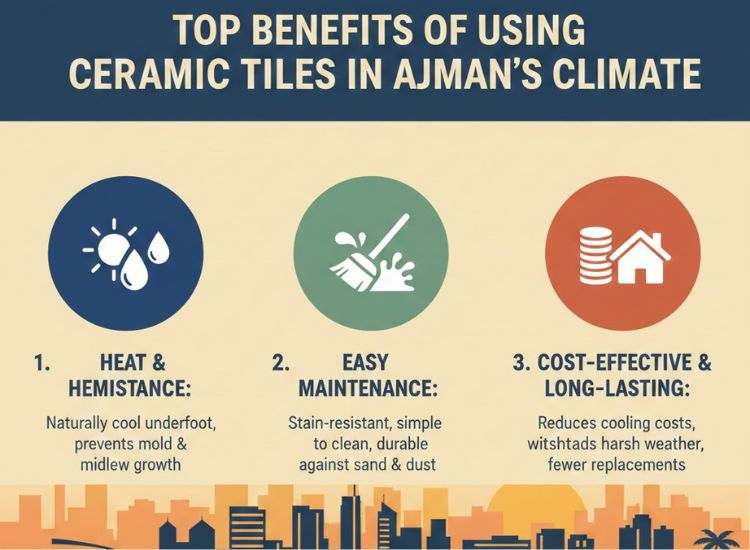
Perolini Luxe Tiles has seen a steady rise in demand from business owners and homeowners who want surfaces that can survive heat, humidity, and heavy foot traffic. In a place like climate is not just a background detail—it actively shapes design choices. The question many decision-makers ask is simple: what flooring can handle all this without losing its charm?
That is where ceramic tiles Ajman enter the conversation. Their performance in warm, coastal conditions is not accidental. It is rooted in material science, smart glazing, and a few underrated practical benefits.
Built for Heat Without Breaking a Sweat
Ajman’s summers are long and intense. Floors that trap heat quickly turn into discomfort zones, especially in commercial spaces like showrooms or offices. Ceramic tiles behave differently. Their natural composition helps them remain cool underfoot, even during peak afternoon hours.
According to the U.S. Department of Energy, lighter-colored and reflective surfaces reduce heat absorption and indoor cooling loads (energy.gov). In practical terms, that means ceramic tiles can indirectly support lower air-conditioning use—an attractive angle for B2B operators watching energy bills.
Humidity Resistance: A Quiet Superpower
Humidity is the invisible villain of coastal climates. It creeps into corners, weakens materials, and invites mold. Ceramic tiles resist this attack far better than wood or laminate. Their non-porous surface keeps moisture from settling in, making them a reliable choice for:
Retail stores near the coast
Hotels and serviced apartments
Kitchens, washrooms, and utility zones
The U.S. Environmental Protection Agency highlights that mold thrives when moisture is trapped in organic materials. Ceramic tiles remove that hiding place, helping businesses avoid costly repairs and health complaints.
Low Maintenance, High Practical Value
In Ajman, dust and sand are part of everyday life. Flooring that stains easily or needs frequent polishing becomes a time sink. Ceramic tiles only ask for basic sweeping and occasional mopping. No special treatments, no climate-specific products.
For business owners, this simplicity translates into:
Lower cleaning labor costs
Fewer replacements over time
Consistent appearance in customer-facing areas
This is one reason many commercial flooring solutions now favor ceramic over softer materials that degrade faster in hot regions.
Design Freedom That Matches Modern Ajman
There is a misconception that climate-friendly means style-limited. In reality, ceramic tiles now mimic marble, concrete, wood grain, and even fabric textures. This allows interior designers to create luxury looks without risking climate-related damage.
Midway through many design projects, clients ask about continuity between Dubai and Ajman properties. That is when ceramic tiles become the common language—same aesthetic family, same durability logic.
Why Ceramic Tiles Make Business Sense
From a business perspective, ceramic tiles do more than survive climate stress. They quietly improve long-term returns. Their lifespan in hot regions is notably longer than vinyl or wood composites. This matters when fitting out offices, clinics, cafés, or rental units.
Think of ceramic tiles as a dependable employee: not flashy, but always showing up and doing the job. They reduce surprise expenses and stabilize maintenance planning—two things CFOs appreciate as much as designers appreciate color palettes.
Added Benefits for Ajman Projects
Fire resistance: Useful for commercial safety compliance
Allergy-friendly: No fibers to trap dust or pollen
Eco-compatibility: Long life reduces material waste
These traits align well with modern building trends focused on sustainability and indoor comfort.
FAQs
Are ceramic tiles suitable for outdoor use in Ajman?
Yes, many ceramic tiles are designed to withstand sun exposure and temperature changes, making them suitable for shaded patios and walkways.
Do ceramic tiles crack in extreme heat?
Properly installed ceramic tiles are stable in hot climates. Cracking usually results from poor subfloor preparation, not temperature alone.
Are ceramic tiles slippery in humid conditions?
Textured or matte-finish ceramic tiles provide good grip, even when humidity rises, making them practical for commercial and residential use.
How long do ceramic tiles typically last in Ajman?
With normal care, ceramic tiles can last decades, even in coastal heat, which is why they are favored for long-term projects.
Final Thoughts
Ajman’s climate is demanding, but it is also predictable. Ceramic tiles respond to this predictability with quiet strength: cool underfoot, resistant to moisture, and easy to manage. For B2B and B2C business owners alike, they represent a rare blend of design flexibility and climate intelligence—a choice that feels practical today and sensible years down the line.


Comments